


Rubber Equipment Rebuild & Repair Services
West Coast Rubber Machinery provides complete rebuild and repair services for rubber mills, hydraulic presses, and mixers. Services include full mill and press rebuilds, mill roll replacement and refurbishing, cylinder and ram repair, electrical and hydraulic controls upgrades, and replacement parts for most makes of rubber processing equipment. All rebuild work is performed in-house at our 85,000 sq. ft. Southern California facility.



Find the Right Service for Your Equipment
Not every repair situation is the same. Use the cards below to find the service that matches what your equipment needs.
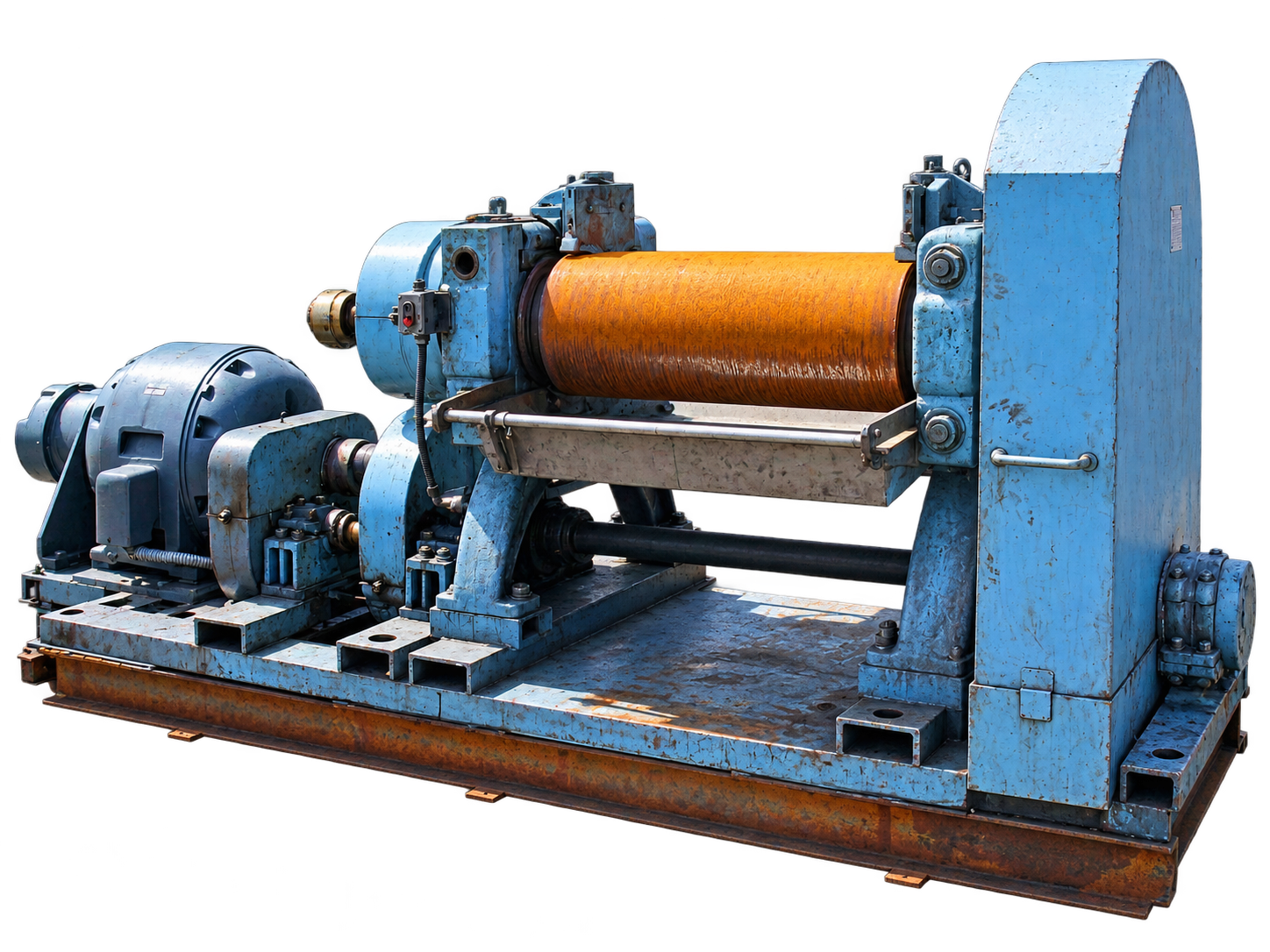
Rubber Mill Rebuilding
Complete mill teardown, inspection, new rolls with hard chrome plating, new bronze bearings, gear replacement, journal repair, safety upgrades, and OSHA-certified testing

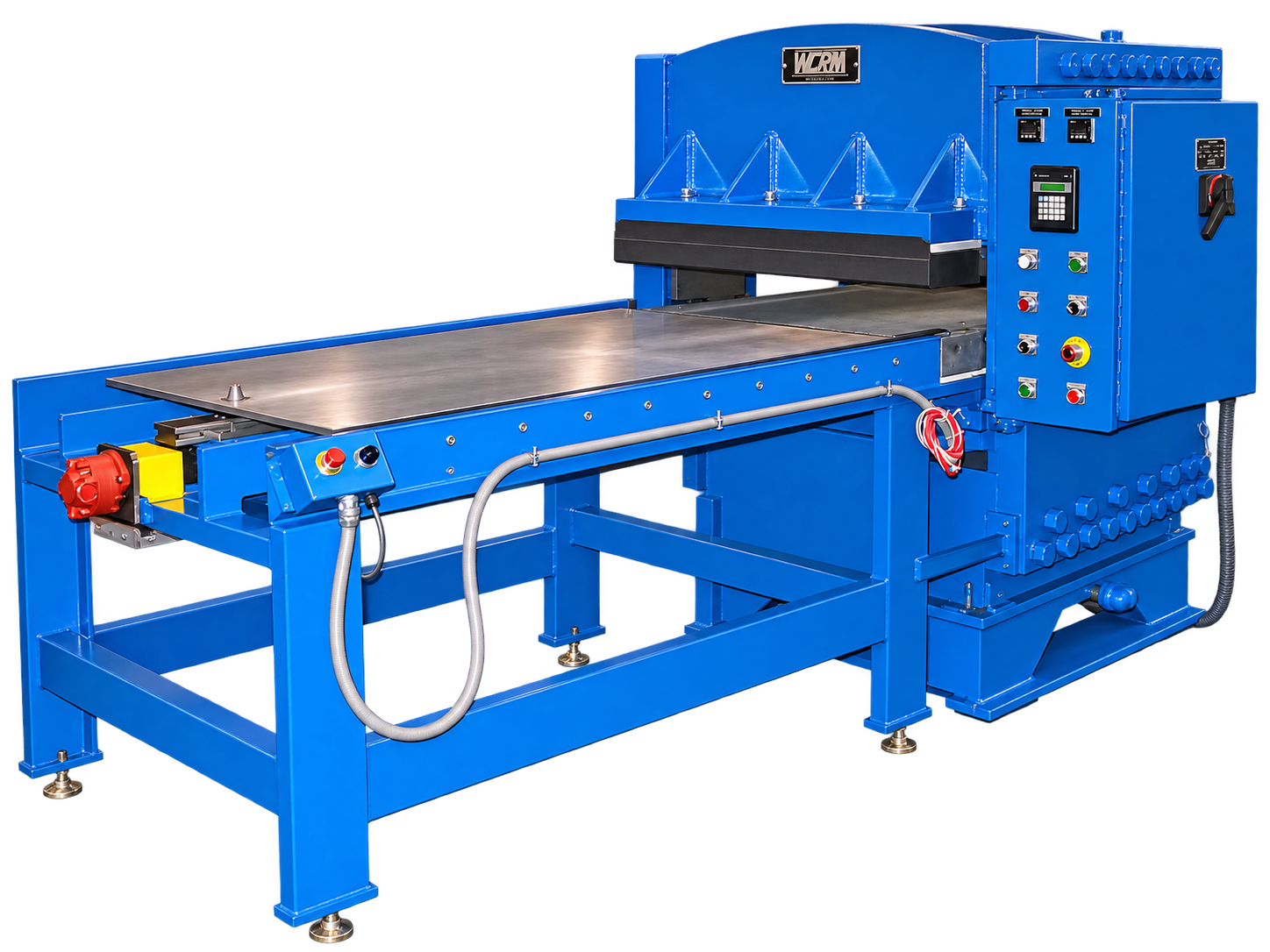
Hydraulic Press Refurbishing & Repair
Full press rebuilds and targeted repairs for rubber compression, vacuum, and lamination presses. Hydraulic system overhaul, platen replacement, and controls updates.
Mill Roll Replacement & Refurbishing
New and refurbished mill rolls, hard chrome plating to AMS-2460 spec, finish grinding to 20 RMS, and journal repair for production and lab mills of most makes.
Cylinders, Rams & Gland Rings
Repair, refurbishment, and replacement of hydraulic cylinders, rams, and gland rings for presses, mixers, and related rubber processing equipment.
Electrical & Hydraulic Controls
Control system updates, VFD installation, PLC upgrades, operator control station replacement, and hydraulic system service for mills, presses, and mixers.
Replacement Part
Mill rolls, press platens, cylinders, gland rings, bearings, and hard-to-find components for rubber processing equipment of most makes.
How to Think About Your Options
Not every equipment problem requires the same response. A bearing failure might be a targeted repair. Worn rolls, gears, and safety hardware across a mill suggest a full rebuild is the more economical path. When the frame is sound and the components are worn, rebuilding is almost always more cost-effective and faster than sourcing a replacement machine.
- Full Rebuild: Complete teardown, inspection, and restoration of all major systems. The right choice when a machine has accumulated wear across multiple components or when it needs to meet updated safety standards.
- Targeted Repair: Addressing a specific failure or worn component without full teardown. Practical when the machine is otherwise in good condition and the scope of work is well-defined.
- Replacement Parts: Sourcing specific components to extend the service life of a machine between full rebuilds. WCRM carries and fabricates a wide range of rubber processing equipment components.
In-House Capability From Start to Finish
- Full Teardown to OSHA-Certified Shipment: Every rebuild handled in our 85,000 sq. ft. Southern California facility—disassembly, machining, fabrication, assembly, and OSHA-certified final testing, all in-house.
- Multi-Make Experience: We rebuild rubber mills, presses, and mixers from most major manufacturers—not just equipment we originally built.
- Hard-to-Find Parts: In-house machining means we can fabricate components that are no longer available from original manufacturers.
- Documented Process: Every rebuild includes documentation of inspection findings, parts replaced, and certifications achieved.
Frequently Asked Questions
Do you rebuild equipment from other manufacturers?
Yes. We rebuild rubber mills, presses, and mixers from most major manufacturers. The rebuild process is based on restoring the machine to its design specifications.
What information do I need to start a rebuild inquiry?
The most useful starting information is the equipment type, manufacturer and model if known, roll or platen size, a description of the current condition or known issues, and photos if available. You do not need a complete spec sheet to start the conversation.
Who handles freight to your facility?
In most cases the customer handles rigging, loading, and transport to our facility. We can provide guidance on what information carriers typically need for heavy equipment.
How long does a rebuild take?
Timeline depends on machine type, the scope of work identified during teardown, and parts availability. We provide a clear timeline during the quoting process and work to minimize your downtime.


Tell Us About Your Equipment
Describe your machine, the issues you are seeing, and what you need. Our team will help you determine whether a full rebuild, targeted repair, or replacement parts is the right path.